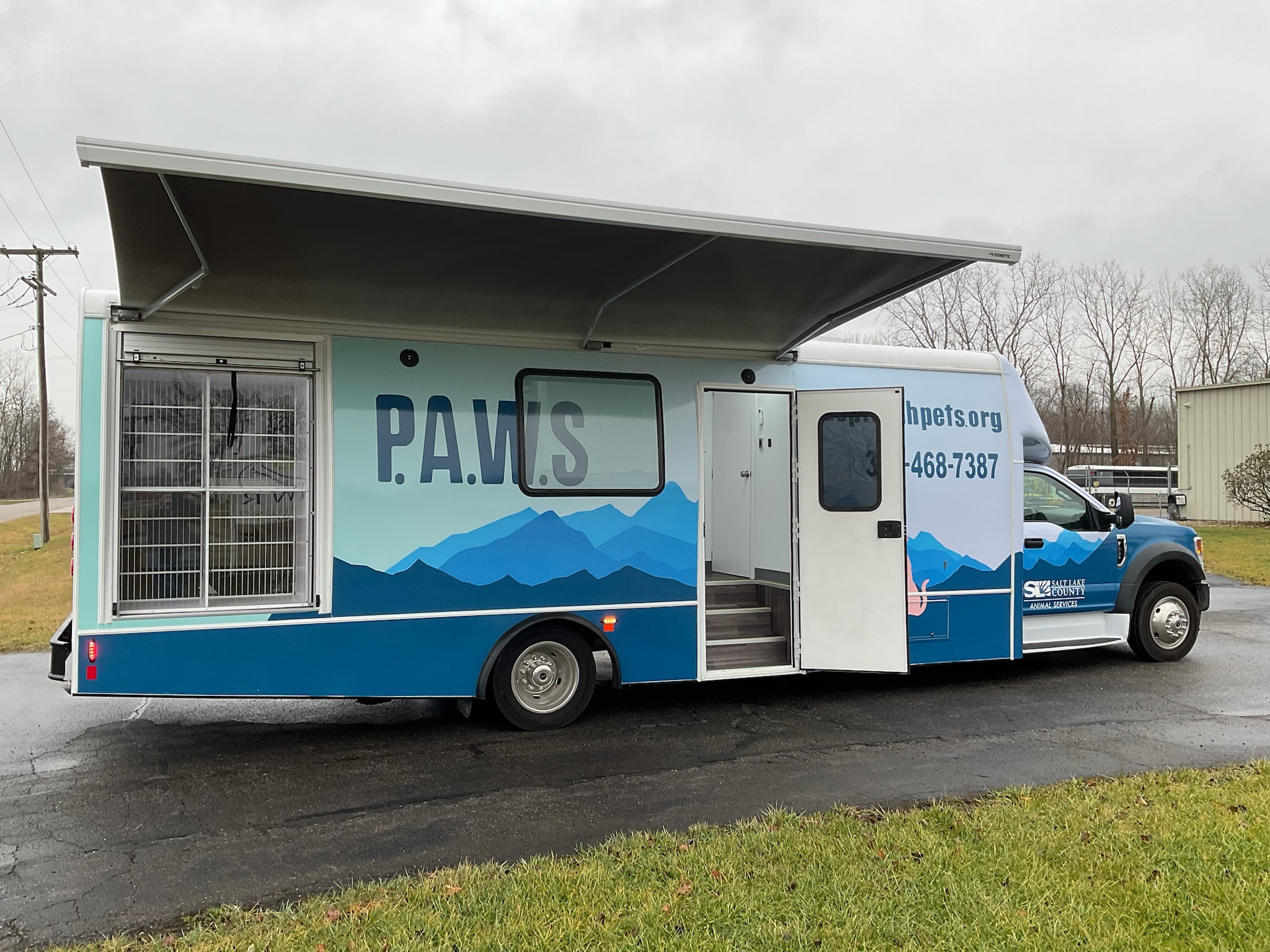
A mobile veterinary unit brings essential animal healthcare directly to communities, shelters, farms, disaster areas, and pet owners who may have limited access to a traditional clinic. Depending on its purpose, the vehicle may support routine exams, vaccinations, diagnostic services, surgery, dental care, spay-and-neuter programs, or emergency response.
To provide safe, high-quality care, a mobile veterinary clinic must be designed around the needs of veterinary professionals, animals, equipment, and patients’ owners. Although every unit is different, multiple key features can help create a dependable and functional mobile medical environment.
1. A Well-Planned Examination Area
The examination area is the center of most mobile veterinary operations. It should provide enough room for veterinarians and technicians to evaluate animals safely while keeping frequently used supplies within reach.
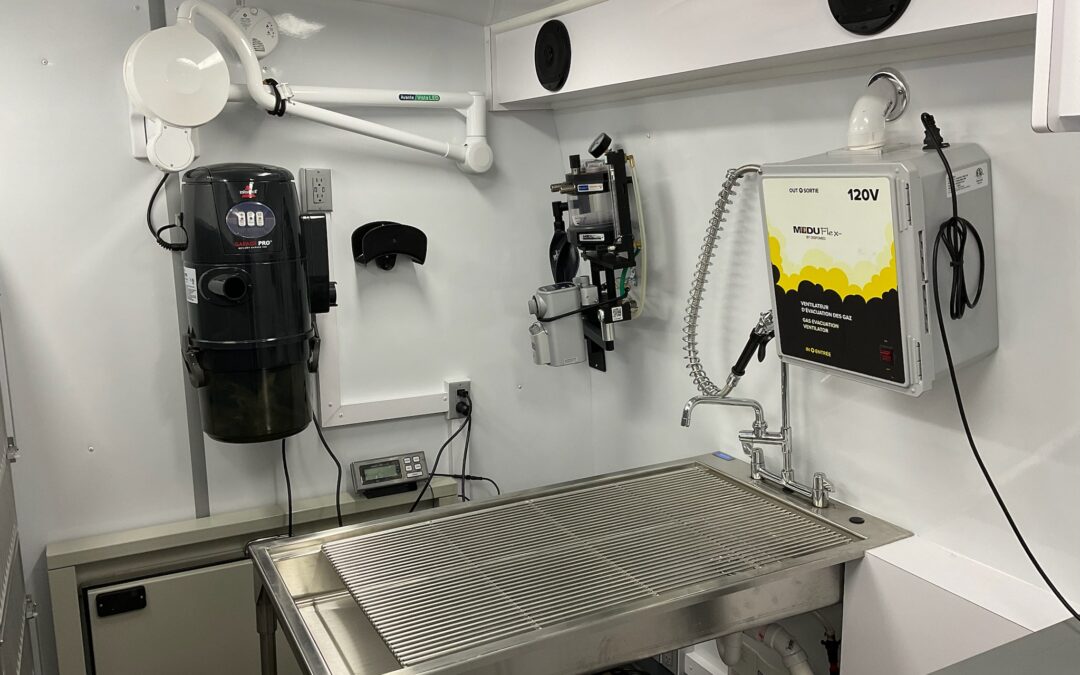
Important features may include a durable examination table to ensure stability during procedures, task lighting to enhance visibility, electrical outlets for powering equipment, handwashing access to maintain hygiene, secure restraints to promote animal and staff safety, and low-maintenance surfaces to facilitate rapid cleaning and infection control. These elements are selected to meet both medical and safety standards and to enable efficient workflows. The layout should allow staff to move productively without creating unnecessary stress for animals, thereby promoting both procedural efficiency and animal welfare.
2. Reliable Climate Control and Ventilation
Animals, staff, medications, and medical equipment all require a controlled interior environment. A dependable heating, ventilation, and air-conditioning system assists in maintaining a comfortable temperature during year-round operation.
Proper ventilation is especially important for controlling odors, reducing airborne contaminants, and supporting safe working conditions. Separate ventilation may also be required in areas used for surgery, animal recovery, or waste storage.
3. Sanitation and Infection-Control Features
A mobile veterinary unit must be easy to clean between appointments. Nonporous flooring, washable walls, sealed cabinetry, and water-resistant materials can help support infection-control procedures.
The vehicle should also include hot and cold running water, handwashing sinks, appropriate waste containers, and storage for cleaning products. Depending on the services offered, space may be needed for sterilization equipment, sharps disposal, and medical-waste management.
4. Secure Medical Equipment and Supply Storage
Veterinary teams may need to carry medications, vaccines, instruments, bandages, testing supplies, and emergency equipment. Custom cabinets, drawers, shelving, and equipment mounts can help keep these items organized and secure during travel.
Temperature-sensitive medications and vaccines may require dedicated refrigeration with reliable power and temperature monitoring. Controlled medications should be stored in secure, lockable compartments.
5. Diagnostic and Treatment Equipment
The required medical equipment will depend on the unit’s mission. A basic wellness vehicle may need scales, examination tools, vaccine refrigeration, and laboratory storage. A more advanced mobile veterinary clinic may include:
- Digital X-ray or ultrasound equipment
- Microscopes and laboratory analyzers
- Anesthesia and oxygen systems
- Surgical lighting and monitoring equipment
- Dental treatment equipment
- Recovery kennels or cages
Equipment should be securely mounted and positioned for safe, efficient use.
6. Surgery and Recovery Areas
Mobile veterinary units offering surgery need a dedicated space that supports sterile procedures. This area may include a surgical table, overhead lighting, anesthesia equipment, oxygen storage, instrument preparation space, and monitoring systems.
A separate recovery area can help staff observe animals after treatment. Kennels should be secure, well ventilated, easy to sanitize, and sized for the types of animals the unit will serve.
7. Safety and Access Features
Nonslip flooring, secure entry doors, backup cameras, fire extinguishers, emergency exits, exterior lighting, and safe equipment restraints can protect staff, animals, and visitors.
Ramps, lifts, low-entry steps, and handrails may improve access to staff and pet owners. Safe loading features are also important when treating large, injured, elderly, or mobility-impaired animals.
Custom Mobile Veterinary Units from TWR Specialty Vehicles
An effective mobile veterinary unit combines clinical functionality, sanitation, storage, utilities, and animal safety in one purpose-built vehicle. TWR Specialty Vehicles works with organizations to develop custom mobile veterinary solutionsbased on their services, equipment, staffing, and deployment requirements.
Contact TWR Specialty Vehicles to discuss a mobile veterinary unit designed for your animal-care mission.